
Our services
Request an appointment
Reserve your spot with our medical team in just minutes.
Skin Grafting Procedures in Jaipur | Reconstructive Surgery by Dr. Sushrut Kalra
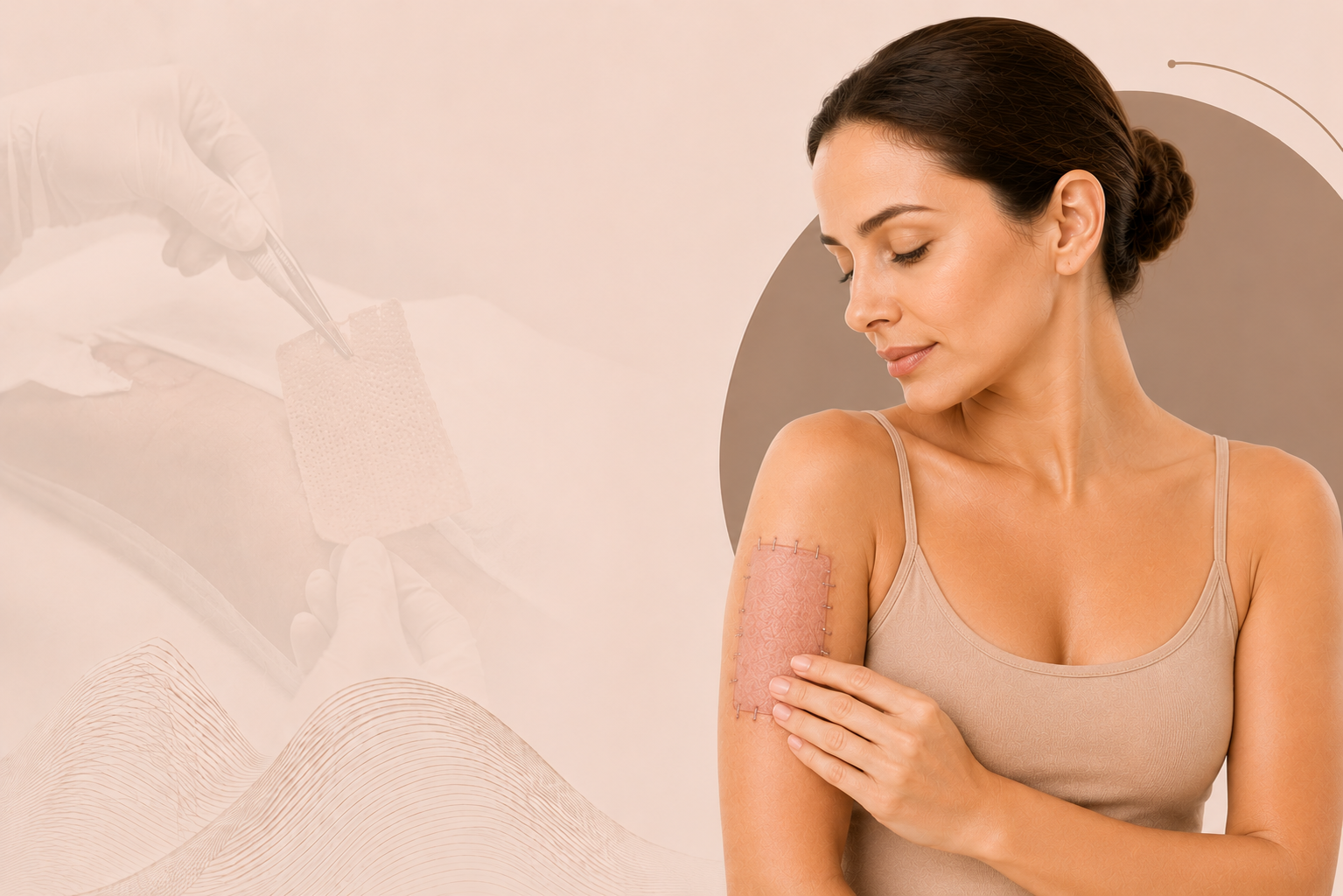
Skin grafting is a reconstructive technique used to restore skin coverage over an open wound, helping the area heal properly and function well going forward. Significant tissue loss from deep trauma, severe burns, or extensive cancer surgery often needs this kind of advanced tissue coverage to heal safely.
Dr. Sushrut Kalra offers advanced skin grafting procedures in Jaipur. Success with a skin graft depends heavily on how well it integrates with the underlying tissue and develops its own blood supply. By carefully matching the type of graft to the specific wound, whether using a thinner or fuller layer of skin, the goal is a smoother, more resilient, and functional result.
How Skin Grafting Procedures Can Help
-
Restoring Lost Skin Coverage Replaces damaged or missing skin with healthy tissue, protecting the area and supporting faster healing.
-
Supporting Burn Recovery Provides essential coverage for burn injuries once damaged tissue has been carefully cleaned and prepared, helping reduce fluid loss and support the body's healing process.
-
Treating Skin Loss from Trauma Helps manage larger wounds from accidents or injuries where the skin can't be closed directly.
-
Supporting Recovery After Cancer Surgery Helps reconstruct skin coverage after significant tissue removal during cancer treatment.
-
Protecting Deeper Structures Provides coverage for exposed muscles, tendons, or bone, helping protect them while the area heals.
-
Supporting Long Term Movement Helps prevent significant scarring near joints, supporting better flexibility and movement over time.
-
A Personalized Approach The specific grafting technique used depends on the wound's depth, location, and overall healing needs.
Frequently Asked Questions
It's a procedure where healthy skin is taken from another area of the body and used to cover a wound, helping it heal with living tissue coverage.
It's typically used for severe burns, significant trauma, non healing wounds, or after cancer surgery, when the affected area is too large to close directly.
There are two main types, one that uses a thinner layer of skin for larger areas, and another that uses a fuller layer of skin, which tends to give a better cosmetic result in more visible areas.
While donor skin is chosen to match tone and texture as closely as possible, some difference may remain at first, though this often softens and blends better over 6 to 12 months.
The graft typically establishes blood supply within 3 to 5 days, with the area substantially healed within 2 to 3 weeks.
Yes, it's often combined with tissue transfer, local flap techniques, or scar revision, depending on the extent and nature of the injury.