
Our services
Request an appointment
Reserve your spot with our medical team in just minutes.
Rebuild Using Your Own Tissue — Natural Results That Feel Like You
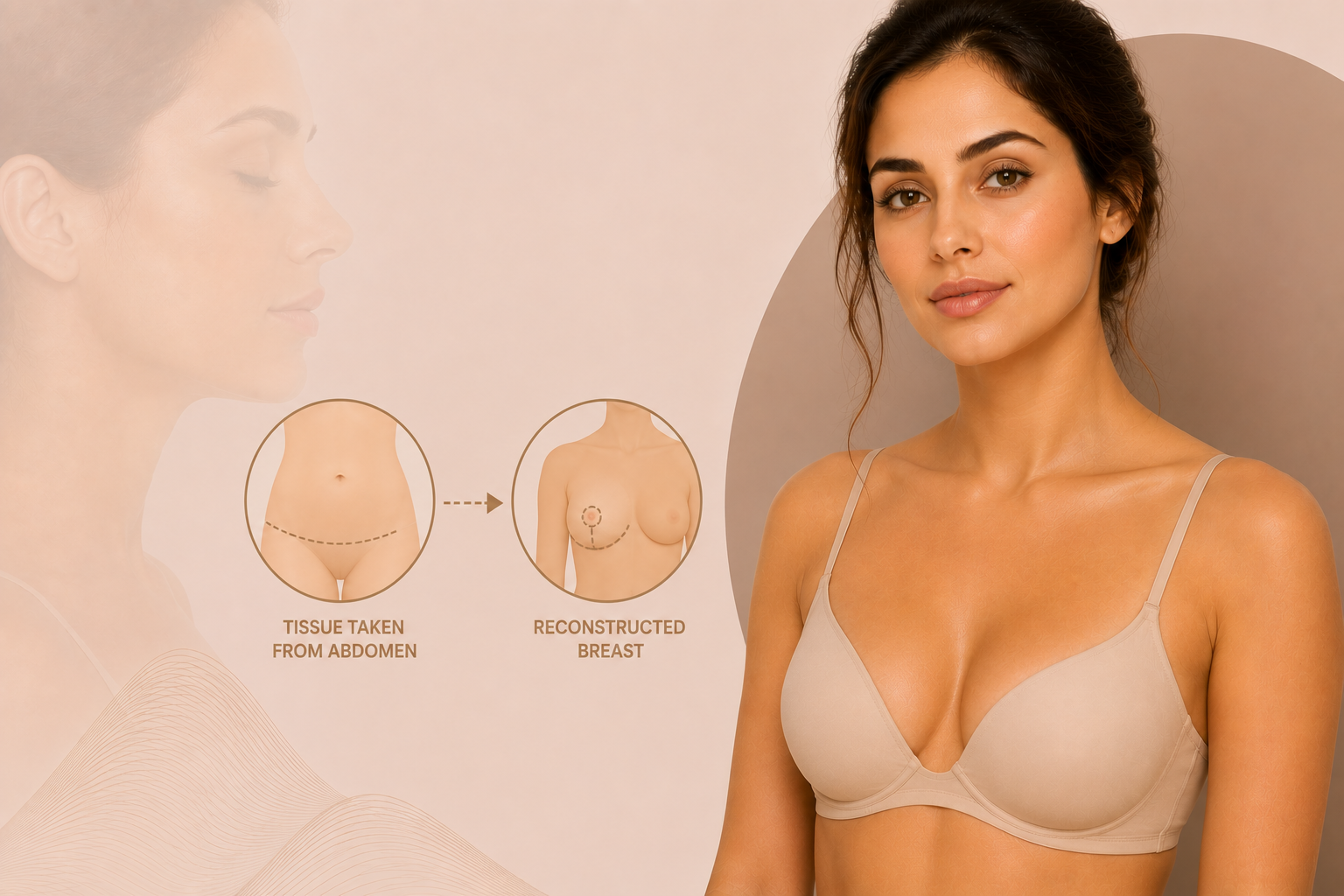
Autologous breast reconstruction uses your own tissue — typically from the abdomen, back, or thighs — to rebuild a breast after mastectomy or trauma. It's different from implant-based reconstruction because the tissue is living, natural, and ages with you.
For many women, autologous reconstruction feels more authentic. There's no foreign material in your body. The breast has natural sensation and movement. And over time, the reconstructed breast integrates completely with your body, creating results that truly belong to you.
Dr. Sushrut Kalra specializes in autologous reconstruction with meticulous surgical technique, ensuring not only beautiful results but also excellent healing and long-term comfort. Whether you're considering reconstruction after cancer treatment or rebuilding after trauma, autologous reconstruction offers a profound sense of wholeness.
Why Women Choose Autologous Reconstruction
-
You Want Tissue That Feels Like Your Own, Not Foreign Material The idea of having an implant in your body — something that could rupture, leak, or need replacement — doesn't sit right with you. Using your own tissue feels more authentic and truly part of you.
-
You Want Natural Sensation to Return Over Time Implants will never feel like your own breast. Autologous tissue can gradually regain sensation as nerves regenerate, creating a breast that eventually feels more connected to your body.
-
You're Tired of Foreign Bodies and Want Nothing Synthetic Some women simply don't want anything artificial in their body. Autologous reconstruction lets you rebuild yourself using only you — no implants, no complications that come with synthetic materials.
-
Psychological Wholeness Matters More Than Quick Recovery You're willing to have longer surgery and recovery if it means your reconstructed breast feels genuinely whole and connected. The investment feels worth it for the emotional payoff.
-
Radiation Therapy Is Part of Your Cancer Treatment Plan If you're getting radiation after mastectomy, implants can become problematic over time. Your own tissue tolerates radiation much better, making autologous reconstruction the smarter long-term choice.
-
The Idea of Implant Replacement Surgery Terrifies You You've already been through cancer surgery. The thought of needing another surgery in 10 or 15 years to replace an implant feels like an endless cycle. Your own tissue is permanent once healed.
-
You Want the Bonus of Body Contouring at the Donor Site While rebuilding your breast, tissue is harvested from areas like your abdomen or thighs. You get a flatter stomach or more contoured thighs as a benefit — essentially getting two procedures in one.
-
You Want Flexibility in Achieving Symmetry Later Autologous tissue can be refined and adjusted over time without the limitations of fixed implants. If you want tweaks or adjustments years later, you have more options.
Frequently Asked Questions
Common sites include the abdomen (DIAP flap), back (latissimus dorsi), or inner thigh (TUG flap). Dr. Kalra discusses which option works best for your anatomy and goals during your consultation.
Yes, there will be scars both at the harvest site and the chest. These fade significantly over 6 to 12 months and are usually well-hidden under clothing or a bra.
Yes, autologous reconstruction typically costs more due to the complexity and length of surgery. Your surgeon and insurance can discuss cost and coverage options.
Initial results are visible after surgery, but swelling and bruising take 4 to 8 weeks to resolve. The final, settled result becomes apparent around 3 to 6 months post-surgery.
Yes. Autologous tissue ages naturally with your body. Weight changes and gravity will affect it over time, just as they affect natural breasts.
Dr. Kalra brings meticulous microsurgical skill and deep experience with tissue transfer techniques. He prioritizes both beautiful aesthetic results and your long-term comfort and sensation.